AI Infrastructure & Automation Consulting
Most AI pilots don’t survive production.
I build the ones that do.
Five years of data and cloud engineering at Nielsen and Optum, plus an MS in Computer Science. I design the orchestration, routing, and automation layers that take an AI feature from impressive demo to dependable system — and keep the bill from quietly tripling on the way.
Currently taking on two new engagements this quarter
The stack I work in
Tools I work in: n8n, Python, PostgreSQL, AWS, Azure, Docker, Terraform, Airflow, Redis, OpenTelemetry, vLLM, dbt, Grafana, Snowflake.
One Minute of Traffic
Not every request deserves your best model.
Watch what a routing layer does to the same three requests.
cache · $0.0000
small · $0.0004
frontier · $0.031
Scroll — the router decides
What You Actually Get
Cost you can point at, per feature.
Providers bill you by account. Your business cares about unit economics. Every engagement ends with attribution down to the feature and the call site, so “what does this cost per user?” finally has an answer — and so does “did that change help?”
What I Do
Three ways I’m usually brought in.
Scoped as fixed-outcome engagements rather than open-ended retainers. Most start with a short paid diagnostic so we both know what we’re dealing with before anyone commits to a build.
AI automation builds
The repetitive, judgement-light work in your business, handed to a workflow that runs whether or not anyone is watching. n8n, direct API integrations, and LLM steps where they genuinely earn their place.
Explore automation buildsInfrastructure & cost audits
A structured read of where your AI and cloud spend actually goes, what it buys, and which changes pay for themselves first. You get a ranked plan with dollar figures, not a list of best practices.
Explore cost auditsAgent & router implementation
A routing layer that sends each request to the cheapest model that can actually handle it, with caching, fallbacks, and tool-calling agents scoped tightly enough to trust in production.
Explore agent routingThe Gap
The model was never the hard part.
Getting a convincing result out of an LLM takes an afternoon. Getting the same result a thousand times a day, at a cost you can defend, with failures you can actually see — that is an infrastructure problem, and it’s the one most teams hit three weeks after the demo lands.
- Costs nobody modelled. Token spend scales with usage, retries, and context bloat — not with the flat line in the pitch deck.
- One model for every job. The frontier model answers the trivial questions too, at forty times the price of one that would do fine.
- Prototypes wearing a production badge. No retries, no idempotency, no queue — so one API timeout drops real work on the floor.
- Automations nobody can debug. A workflow with forty nodes, zero logging, and one person who remembers how it fits together.
- No way to tell if it’s working. No evaluation set, no latency budget, no per-feature cost attribution. Only vibes and a monthly invoice.
cost reduction in the worked example
The Arithmetic
Two changes. No new vendor.
Trimming a bloated prompt from 4,000 tokens to 1,200, then routing the straightforward 70% of traffic to a smaller model, takes a $975 monthly bill to roughly $199. Neither change is a procurement win. Both are architecture.
How an Engagement Runs
Short loops, visible work, no surprises.
-
Scope
A call, then a written problem statement
Thirty minutes to work out whether I’m the right person at all. If I’m not, I’ll say so and point you somewhere better. If I am, you get the problem written down in plain language before any money changes hands.
-
Diagnose
One to two weeks inside the system
I read the code, the bills, and the logs. You get a findings document: where the money goes, where the failures come from, and what I’d change in what order. This stands on its own even if you never hire me again.
-
Build
Fixed scope, weekly demos
We agree on a specific outcome and a date. You see working software every week, in your repository, on your infrastructure. No black boxes and nothing that only runs on my laptop.
-
Hand off
Documentation, dashboards, and a team that can run it
The engagement ends with your engineers able to change what I built without calling me. Runbooks, cost dashboards, and a walkthrough recording. Ongoing support is available, never assumed.
5 yrs
Building production data and cloud systems at Nielsen and Optum — regulated data, real volume, real on-call.
MS CS
University at Buffalo. Distributed systems and machine learning, applied rather than theoretical.
2 wks
Typical time from kickoff to a findings document you can act on, with or without me.
I spent five years being the person paged when the pipeline broke at 2am. That teaches you something a demo never will: the interesting part of any system is how it behaves on its worst day, not its best one.
Watch
The same ideas, on camera.
Short, specific breakdowns on the channel — the same territory as the writing, worked through out loud.

AI Infrastructure Explained (GPUs, vLLM, and LLM-D)
What GPUs, inference servers, and the newer serving layers actually do, and where each one earns its place.
Watch on YouTube
What is AI orchestration, explained simply
The mental model for chaining calls, tools, and control flow into something that behaves the same way twice.
Watch on YouTube
You’re spending too much on AI tokens
The quick version of the audit argument: where the waste usually hides, and the first three things to check.
Watch on YouTubeWriting
Notes from inside the systems.
Specific problems, with the numbers attached. No predictions about where AI is heading.
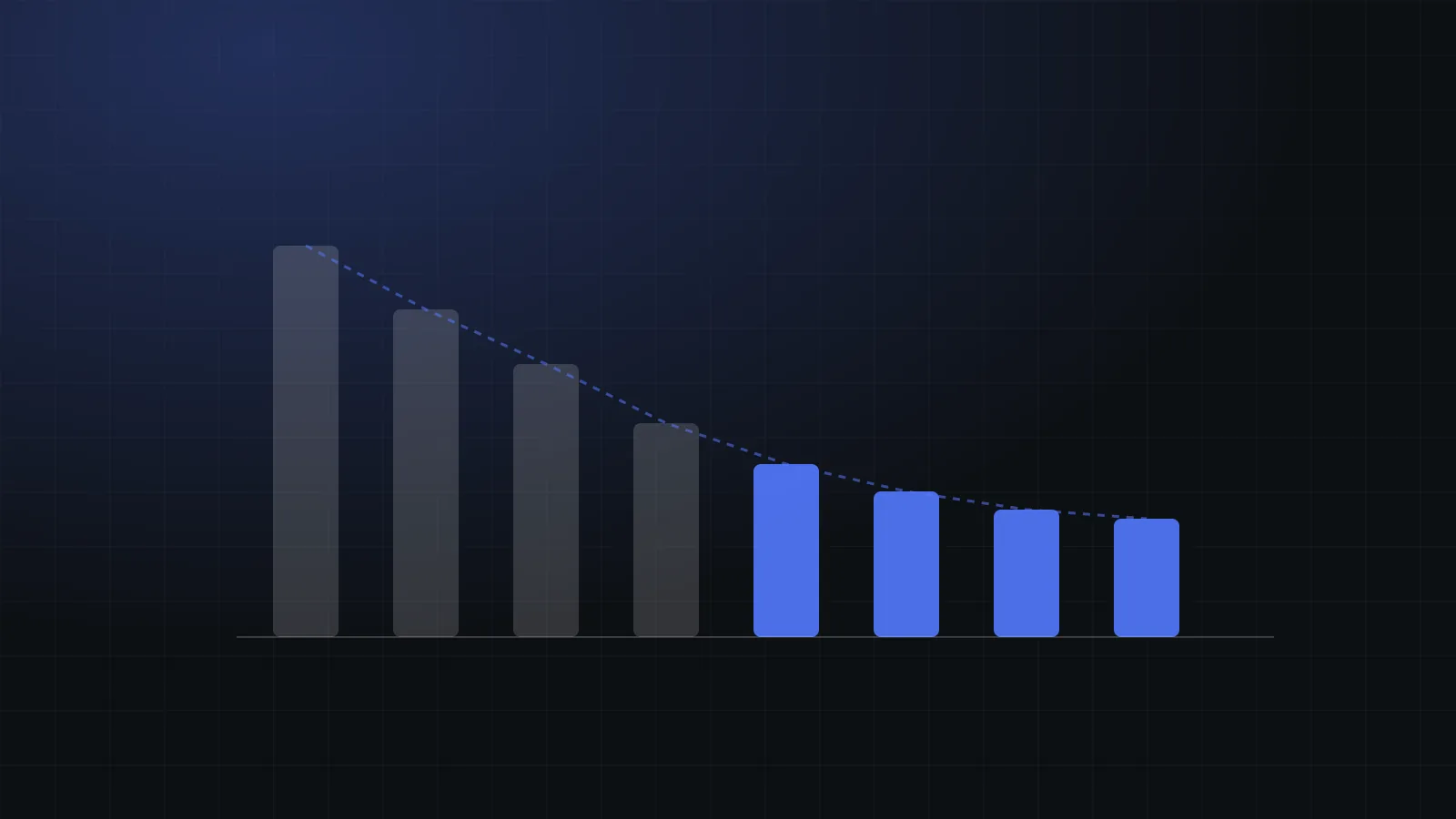
The cost of an AI feature is an architecture decision
Why per-token pricing turns ordinary design choices into line items, and how to model the bill before you ship.
Read the post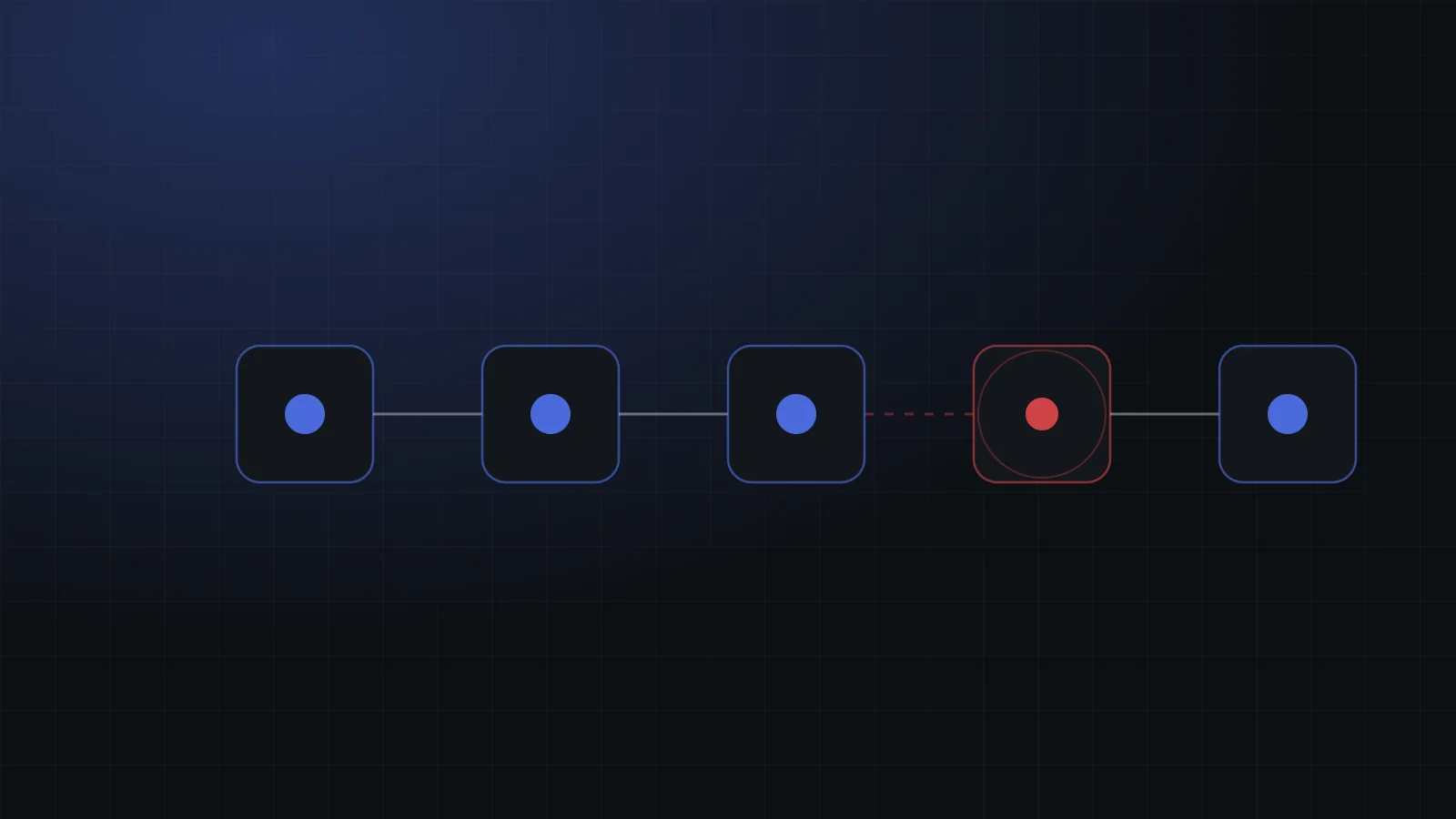
Why your n8n workflow breaks at 3am
The failure modes that never show up in testing: rate limits, partial writes, silent retries, and nobody watching.
Read the post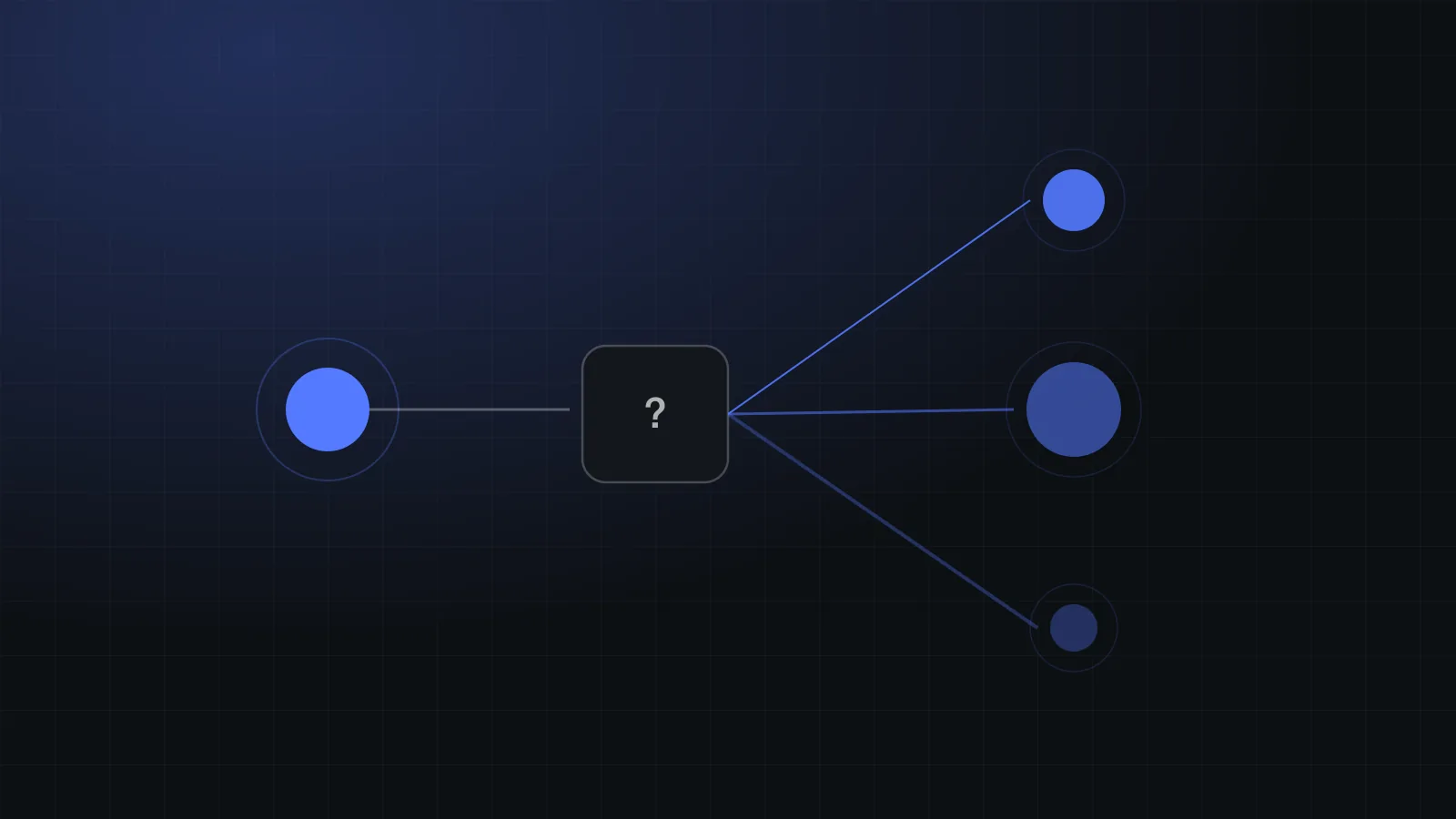
You don’t need a bigger model. You need a router.
Most requests don’t need the frontier model. A routing layer is usually the cheapest performance win available.
Read the postNext Step
Tell me what’s breaking.
Send a couple of paragraphs about what you’re building and where it’s straining. I answer every message myself, usually within a business day, and I’ll tell you honestly if it isn’t something I should take on.